
SOC threat hunting SOAR automation 2026 is one of the most critical topics in enterprise cybersecurity today. Building and operating a Security Operations Center is one of the most complex challenges in cybersecurity. Basic SOC capabilities are table stakes. Advanced SOC programs in 2026 go further: proactive threat hunting, SOAR-driven automation, purple team exercises, and detection engineering. This guide covers advanced practices for mature security programs.
The SOC Maturity Model
Most organizations start reactive: alerts come in, analysts triage. Advanced SOCs operate proactively. Maturity levels: Level 1 (reactive triage), Level 2 (structured incident response), Level 3 (threat hunting), Level 4 (intelligence-led operations), Level 5 (deception and adversary emulation). Target Level 3 for genuine security value.
Threat Hunting Methodologies
Hypothesis-Driven Hunting
Start with a threat intelligence-informed hypothesis. Example: APT-X is known to use T1003.001 (LSASS Memory Dumping) against our sector. Are there indicators on our endpoints? Hunt systematically: define hypothesis, identify data sources (EDR telemetry, Windows event logs), write detection logic, query data, analyze results. Build detection rules from findings.
Baseline Deviation Hunting
Establish what normal looks like: typical processes per host, normal authentication times, standard network connections. Hunt for deviations: new processes in unusual contexts, authentication at unusual hours, connections to new external destinations. Tools: Elastic Stack (ELK), Splunk ES, and Microsoft Sentinel all support statistical baselines via ML.
SOAR: Security Orchestration, Automation and Response
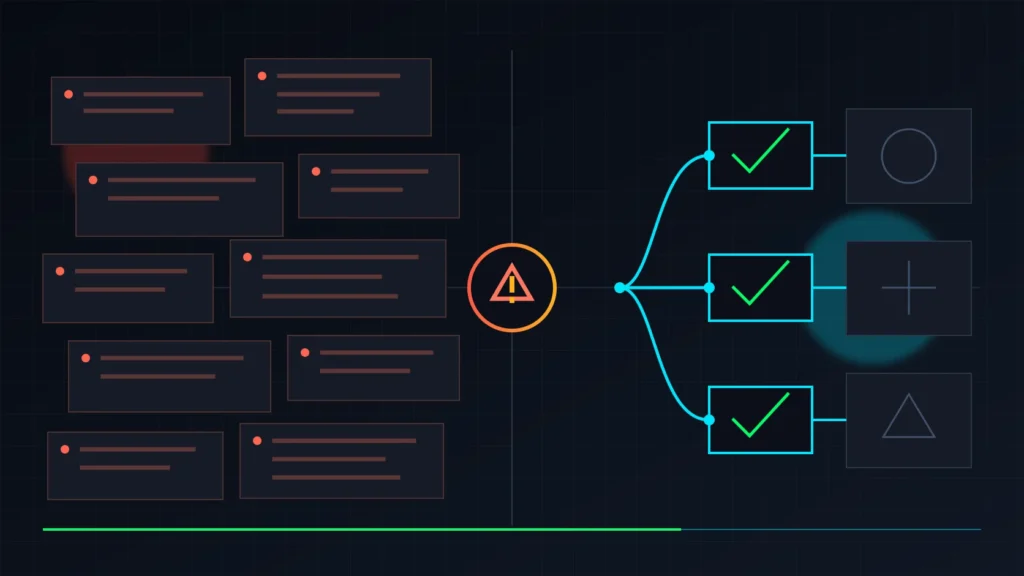
SOAR platforms (Splunk SOAR, Palo Alto XSOAR, Microsoft Sentinel Automation) automate repetitive tasks via playbooks. High-value automation targets: phishing email triage (extract IOCs, block domains, quarantine mailboxes), malware alert response (isolate endpoint, collect artifacts, submit to sandbox), credential compromise (disable account, reset password, notify user). Automate the first 80% of analyst actions. Keep humans for the final judgment call.
Detection Engineering
Detection-as-Code treats SIEM rules like software: stored in version control, peer-reviewed, tested against known attack data, deployed via CI/CD. Sigma is the most popular vendor-neutral detection rule format. This approach brings software engineering discipline to detection, improving rule quality and change management across SIEM platforms.
Purple Team Exercises
Purple team has red (offensive) and blue (defensive) teams work together transparently. Red executes specific MITRE ATT&CK techniques. Blue observes what they can and cannot detect. Outcome: documented detection gaps, written detection rules for gaps, validated existing detections. Run quarterly to continuously improve coverage.
SOC Metrics and Analyst Wellbeing
Key SOC metrics: Mean Time to Detect (MTTD), Mean Time to Respond (MTTR), alert volume handled by automation vs humans, false positive rate per detection rule, analyst escalation rate. Automate rules with FP rates below 5%. Alert fatigue and burnout are primary SOC challenges. Combat with: automation of L1 tasks, rotation through hunting activities, and performance metrics focused on quality not ticket volume.
🔗 Authoritative Sources
FAQs
What is threat hunting?
Threat hunting is the proactive, human-led search for threats that have evaded automated detection. Unlike reactive alert triage, it starts with a hypothesis about attacker behavior and systematically searches for evidence in logs and telemetry. It finds threats that bypassed automated controls and creates new detection rules from findings.
What is SOAR and what problems does it solve?
SOAR automates repetitive SOC tasks through playbooks. Key problems solved: analyst alert fatigue (automating first-response tasks), slow MTTR (automating isolation and blocking), inconsistent response (playbooks enforce consistent handling), and data integration (connecting SIEM, EDR, email security, ticketing systems).
What is Detection-as-Code?
Detection-as-Code treats SIEM detection rules like software: stored in version control, peer-reviewed, tested against known attack data, and deployed via CI/CD pipelines. Sigma is the most popular vendor-neutral rule format. This improves rule quality, enables peer review, and provides full audit history of detection changes.
Key Takeaways
- Mature SOCs operate proactively through threat hunting, not only reactive alert triage
- SOAR automation should handle 80% of L1 tasks so analysts focus on investigation and hunting
- Purple team exercises transparently identify detection gaps and validate existing detections
- Detection-as-Code with Sigma enables peer-reviewed, tested, version-controlled detections
- Alert fatigue is a retention risk — automation and analyst rotation are essential
Conclusion
Advanced SOC operations in 2026 combine proactive threat hunting, SOAR automation, detection engineering, and purple team validation in a continuous improvement cycle. Organizations that do this well detect breaches in hours rather than weeks. Related: Building an Effective SOC 2026 and Threat Intelligence 101.
Sources
- MITRE ATT&CK Framework – attack.mitre.org
- Sigma Rules Repository – github.com/SigmaHQ/sigma
- Splunk SOAR Documentation – docs.splunk.com
- CISA Incident Response Guide – cisa.gov
Training and Team Development
Security programs require sustained commitment from leadership and practitioners alike. The controls covered in this guide represent industry consensus on effective security practices, validated against real-world attack data and breach investigations. Implement them systematically, measure their effectiveness, and adapt as the threat landscape evolves. Organizations that treat security as a continuous program rather than a compliance checkbox consistently outperform their peers in both breach prevention and breach detection time, translating directly to reduced financial and reputational impact when incidents occur.