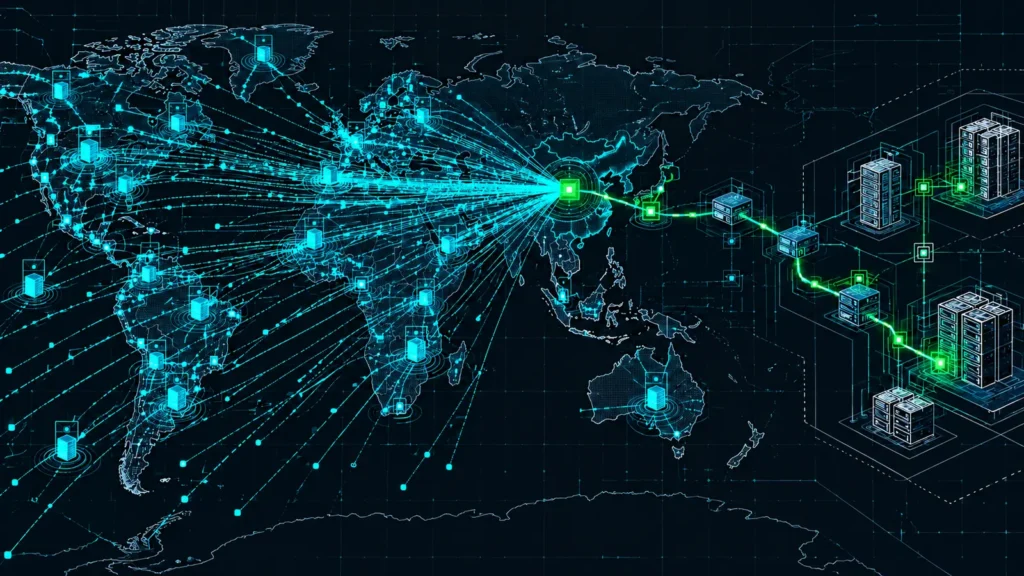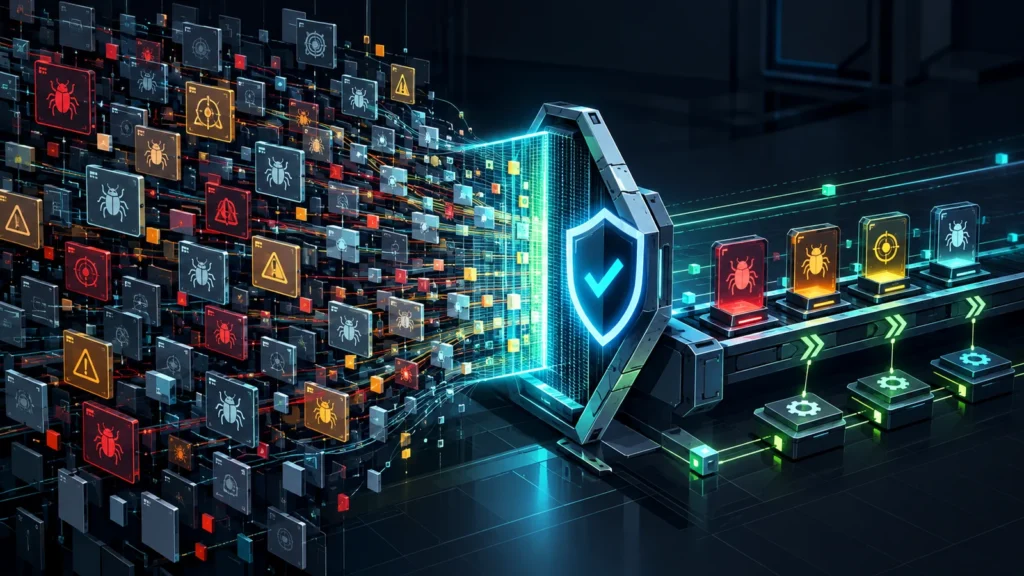

Cyber Threat Intelligence (CTI) transforms raw security data into actionable knowledge about adversaries. Most organizations consume threat intelligence passively through vendor feeds. Building a CTI program means producing, analyzing, and operationalizing intelligence specific to your environment, industry, and adversary set. In 2026, generic feeds are not sufficient against sophisticated targeted threats.
The Intelligence Lifecycle
Every CTI program follows the intelligence lifecycle: Direction (what questions must the program answer?), Collection (gather raw data from relevant sources), Processing (normalize and structure data), Analysis (turn data into intelligence), Dissemination (deliver to the right consumers at the right time), Feedback (measure effectiveness and refine). This cycle repeats continuously.
Priority Intelligence Requirements (PIRs)
PIRs define what questions the CTI program must answer. For a financial institution: What ransomware groups are targeting banks in our region? For healthcare: What nation-state actors have active campaigns against healthcare data? Define 5-10 PIRs with your CISO and business stakeholders. Every collection and analysis activity should answer a PIR. Intelligence that does not address a PIR is noise.
Collection Sources
Open Source Intelligence (OSINT)
- MISP (Malware Information Sharing Platform) — free open-source threat intelligence platform
- OTX (AlienVault Open Threat Exchange) — community threat intelligence
- CISA Known Exploited Vulnerabilities (KEV) catalog
- VirusTotal for malware analysis and IOC enrichment
Dark Web Monitoring
Threat actors communicate and transact on dark web forums. Monitoring services (Flashpoint, Kela, Recorded Future) provide coverage. Look for: your organization name in threat actor communications, your data being sold, credentials from your domain being offered, ransomware groups targeting your sector.
STIX/TAXII: Threat Intelligence Sharing Standards
STIX (Structured Threat Information Expression) is the standard JSON-based format for expressing cyber threat intelligence. TAXII (Trusted Automated eXchange of Indicator Information) is the transport protocol for sharing STIX data. STIX objects include: Indicators (IOCs), Threat Actors, Campaigns, Malware, Attack Patterns (mapped to MITRE ATT&CK), and Relationships between objects. Understanding STIX is essential for consuming and producing intelligence in interoperable formats.
Operationalizing Intelligence
Intelligence not acted upon is just information. Operational CTI means: pushing IOCs (malicious IPs, domains, hashes) to security controls (firewall blocklists, EDR, SIEM), providing tactical intelligence to SOC analysts to inform hunting, delivering strategic intelligence to management and the board, briefing IR teams on active campaigns targeting your sector. MISP integrates directly with firewalls, SIEMs, and EDR to automate IOC distribution automatically.
🔗 Authoritative Sources
FAQs
What is cyber threat intelligence?
CTI is analyzed information about adversaries — their capabilities, infrastructure, motivations, and tactics — that enables informed security decisions. It transforms raw threat data into actionable knowledge: who is targeting your organization, how they operate, what they are after, and how to detect or prevent their attacks.
What is STIX/TAXII?
STIX is the standard JSON-based format for expressing cyber threat intelligence. TAXII is the transport protocol for sharing STIX data between organizations. Together they enable automated, standardized threat intelligence sharing between SIEMs, threat platforms, and partner organizations.
What is MISP and is it free?
MISP (Malware Information Sharing Platform) is a free, open-source threat intelligence platform that stores, correlates, and distributes threat intelligence in STIX and other formats. It integrates with SIEMs, firewalls, and EDR tools to automate IOC distribution. Widely deployed in ISACs, CERTs, and enterprise security programs.
Key Takeaways
- Define 5-10 Priority Intelligence Requirements (PIRs) before collecting any intelligence
- STIX/TAXII enables standardized, automated intelligence sharing and consumption
- Dark web monitoring provides early warning of planned attacks or data leaks
- Operationalize intelligence by pushing IOCs to active security controls via MISP
- One dedicated CTI analyst delivers significant value even in smaller organizations
Conclusion
A CTI program in 2026 requires defined PIRs, multiple collection sources, systematic analysis, and operationalized outputs into security controls. MISP provides the open-source foundation. Dark web coverage provides early warning. Related: Threat Intelligence 101: IOCs and MITRE ATT&CK.
Sources
- MISP Documentation – misp.project.org
- STIX/TAXII Documentation – oasis-open.org
- CISA KEV Catalog – cisa.gov
- NIST SP 800-150 Cyber Threat Intelligence Sharing – nist.gov